
Restoration Services
Restore Your Property. Regain Your Peace of Mind.
Property damage can happen suddenly or develop gradually. Whether you are dealing with an active emergency, hidden moisture, smoke residue, mold growth, or storm-related damage, Dynamic Restoration & Roofing helps you understand the problem and move forward with a clear restoration plan.
Our team can assist from the initial inspection and emergency stabilization through cleanup, documentation, repairs, and reconstruction coordination. Emergency assistance is available for urgent property damage.
Restoration Services for Every Stage of Recovery
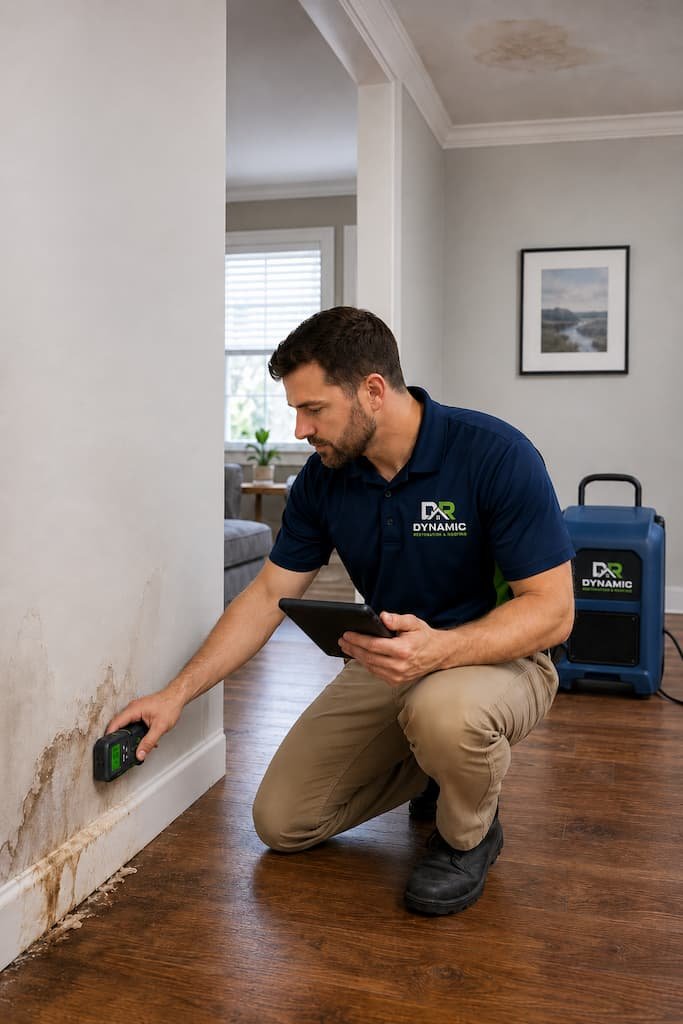
Some restoration projects begin with an emergency call. Others begin when a homeowner notices a stain, odor, roof leak, or recurring moisture problem. Dynamic Restoration & Roofing evaluates the conditions, explains the recommended next steps, and coordinates the services needed to stabilize and restore the property.
Water Damage Restoration
Rapid water removal and drying can help limit further damage and reduce the likelihood of secondary problems.
Fire and Smoke Restoration
Fire-related damage may include smoke, soot, odors, damaged materials, and water left behind by firefighting efforts.
Mold Remediation
Mold remediation focuses on controlling affected areas, removing contaminated materials, and addressing the moisture conditions that contributed to the problem.
Storm Restoration
Storm damage can affect the roof, exterior, and interior of a home. We help identify the full extent of the damage and coordinate restoration and roofing work.
Water Damage Restoration
Fast Action for Leaks, Flooding, and Water Intrusion
Water can travel beyond the area where it first becomes visible. A plumbing leak, damaged appliance, roof failure, overflowing fixture, or storm-related opening may affect flooring, drywall, insulation, cabinets, framing, and nearby rooms.
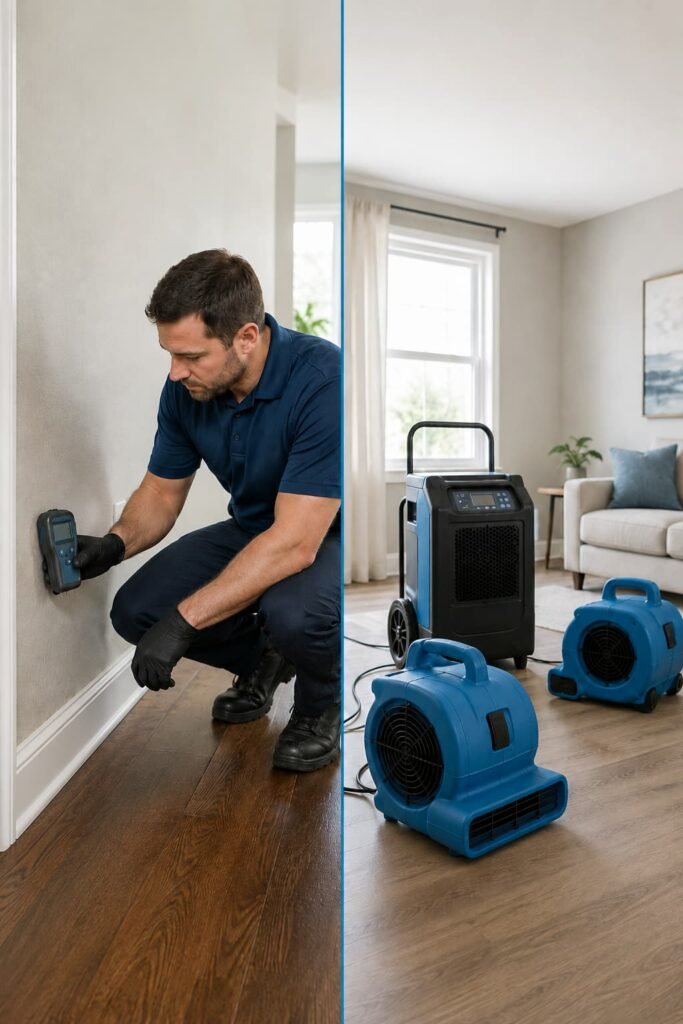
Dynamic Restoration & Roofing evaluates the affected areas, identifies visible and concealed moisture, and develops a drying and cleanup plan based on the conditions found.
Standing water and excess moisture are removed using professional extraction equipment when conditions require it. Prompt removal helps reduce continued absorption into flooring, walls, and other building materials.
Water is not always visible on the surface. Moisture-detection equipment may be used to evaluate walls, ceilings, flooring, cabinets, and other materials that could have been affected.
Air movement and controlled drying methods help remove moisture from salvageable building materials. Equipment placement and drying progress may be adjusted as conditions change.
Dehumidifiers remove excess moisture from the air and support the structural-drying process. This helps create more controlled conditions within the affected area.
Affected areas may require debris removal, surface cleaning, material removal, or preparation for repairs. The cleanup plan depends on the source of the water and the extent of the damage.
We document affected areas and visible conditions through photographs, measurements, moisture readings, work records, and scope information when applicable.
Common Causes of Water Damage
- Burst or leaking pipes
- Water-heater failures
- Appliance leaks
- Overflowing toilets, tubs, or sinks
- Air-conditioning drain problems
- Roof leaks
- Wind-driven rain
- Storm-related openings
- Plumbing backups
Fire and Smoke Restoration
Help After Fire, Smoke, Soot, and Firefighting Damage
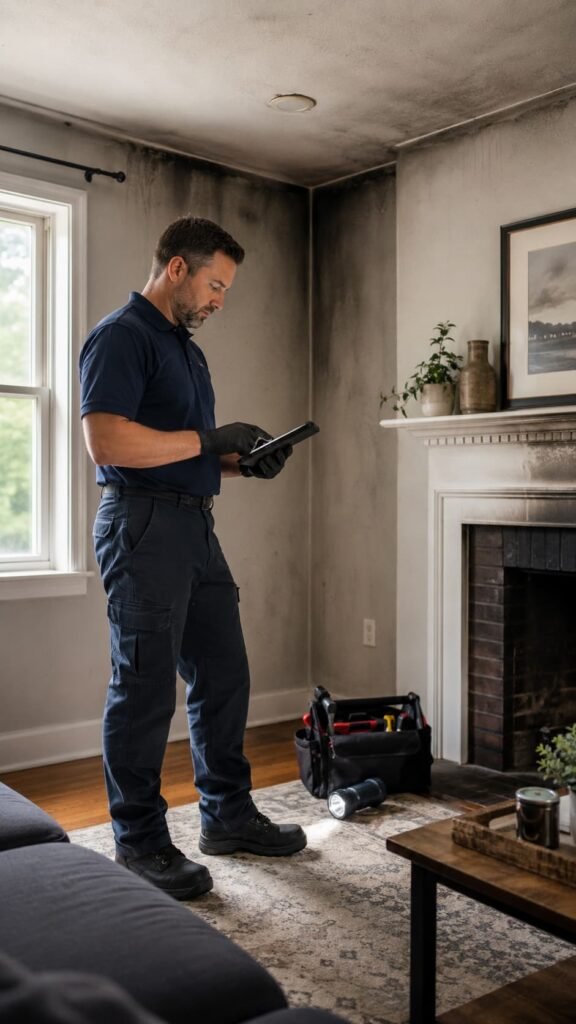
A fire can affect much more than the area directly touched by flames. Smoke and soot can move throughout a home, settle on surfaces, enter cabinets and ventilation pathways, and leave persistent odors. Water used to extinguish the fire may also create additional damage.
Dynamic Restoration & Roofing evaluates the affected areas and helps coordinate the work required to stabilize, clean, remove damaged materials, and prepare the property for restoration.
Unsafe or exposed areas may require temporary measures to reduce additional damage. Stabilization may include securing openings, isolating damaged areas, or coordinating other immediate protective work.
Smoke residue and soot can affect walls, ceilings, fixtures, contents, and other surfaces. Cleanup methods are selected based on the material, residue, and extent of exposure.
Smoke odors may remain in porous materials and concealed areas. Odor-removal work may include source removal, detailed cleaning, air filtration, and other treatment methods appropriate to the conditions.
Water used during firefighting can saturate flooring, walls, insulation, and belongings. Water extraction and structural drying may need to begin alongside fire-related cleanup.
Materials that cannot be safely or effectively restored may need to be removed. We document affected areas and coordinate removal as part of the restoration scope.
Once the property has been stabilized and cleaned, repairs or reconstruction may be required. We can help coordinate the transition from mitigation and cleanup to rebuilding when applicable.
Fire-Related Conditions We Address
- Smoke residue
- Soot contamination
- Persistent odors
- Charred or damaged materials
- Firefighting water
- Damaged drywall and insulation
- Exposed openings
- Interior and exterior repairs
Mold Remediation
Address the Mold—and the Moisture Behind It
Mold growth is often a sign of an existing or previous moisture problem. It may develop after a leak, flooding event, roof failure, high indoor humidity, or water intrusion that was not fully dried.
Effective remediation requires more than cleaning the visible surface. Dynamic Restoration & Roofing investigates the affected area, helps identify likely moisture sources, and develops a controlled remediation plan based on the conditions found.
The first step is understanding why mold developed. We inspect for visible leaks, water intrusion, elevated moisture, and other conditions that may be contributing to growth.
Water is not always visible on the surface. Moisture-detection equipment may be used to evaluate walls, ceilings, flooring, cabinets, and other materials that could have been affected.
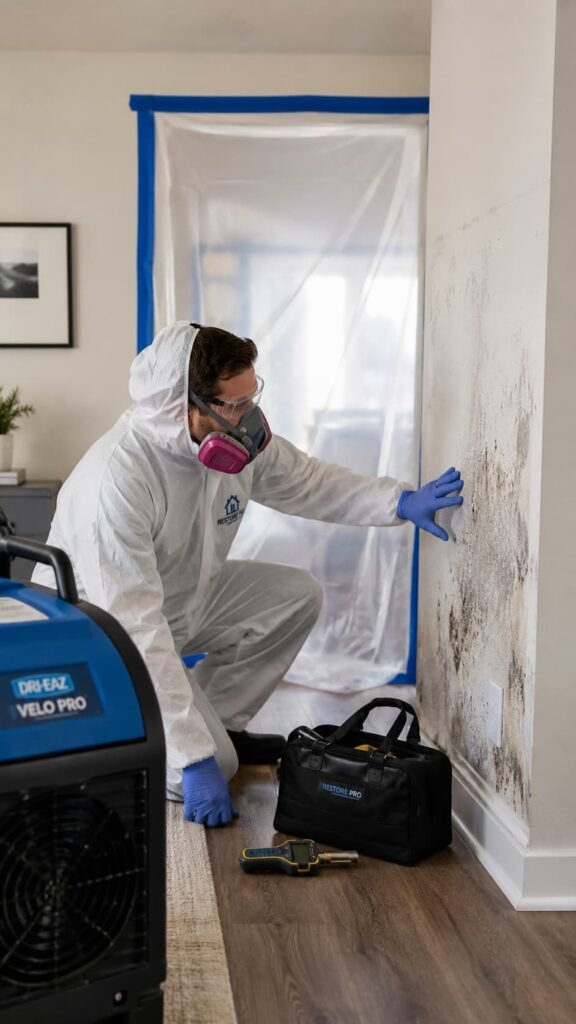
Containment may be used to separate the affected workspace from unaffected portions of the home. The specific setup depends on the location and extent of the affected materials.
Porous materials with significant mold growth may not be suitable for cleaning and may need to be removed. Examples can include portions of drywall, insulation, carpet padding, or other damaged materials.
Remaining surfaces may be cleaned using methods appropriate to the materials and conditions. Air-filtration equipment may also be used within the controlled work area.
After remediation, we explain the moisture conditions that should be corrected or monitored. This may include plumbing repairs, roof repairs, ventilation improvements, humidity control, or drying recommendations.
Signs That May Indicate a Mold Problem
- Visible spotting or discoloration
- Musty or earthy odors
- Recurring moisture
- Previous water damage
- Soft or deteriorating drywall
- Condensation problems
- Growth near windows, vents, or plumbing
- Mold returning after surface cleaning
Storm Restoration
Coordinated Help for Exterior and Interior Storm Damage
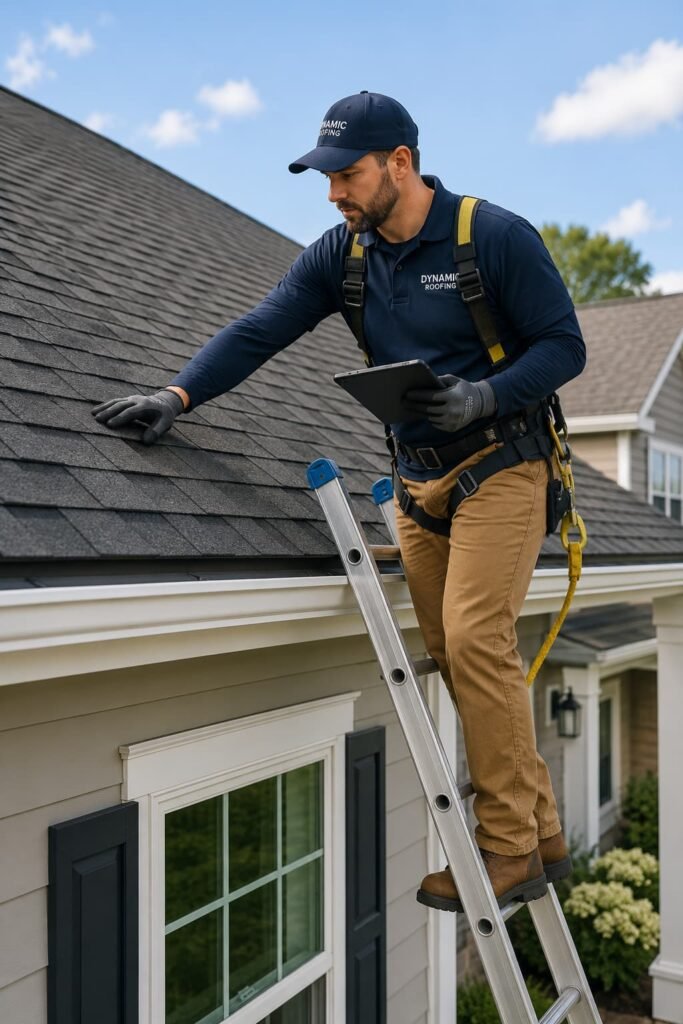
Severe weather may damage the roof, siding, windows, gutters, fencing, ceilings, walls, and other areas of a property. Even when exterior damage appears minor, wind-driven rain or a roof opening may allow water to enter the home.
Dynamic Restoration & Roofing combines storm-restoration and roofing capabilities, helping homeowners address related exterior and interior damage through one coordinated company.
High winds can lift or remove shingles, damage flashing, loosen exterior materials, and allow water to enter vulnerable areas of the property.
Hail may damage roofing materials, vents, gutters, siding, windows, and other exterior components. Damage is not always obvious from ground level and may require a closer inspection.
Storm-related roof damage may lead to stains, active dripping, damp insulation, damaged ceilings, or moisture inside walls. We evaluate both the likely entry point and the areas affected inside the home.
When the roof has an exposed or vulnerable area, temporary protective measures may help reduce additional water intrusion until permanent repairs can be completed.
Storm restoration may involve roofing, siding, trim, gutters, exterior openings, or other damaged components, depending on the scope of the event.
When storm water enters the home, mitigation may include extraction, moisture detection, drying, dehumidification, material removal, and cleanup.
Common Storm-Damage Indicators
- Missing, lifted, or damaged shingles
- Roof debris around the property
- Ceiling stains or active leaks
- Dented gutters or vents
- Damaged siding or trim
- Water near windows or doors
- Fallen limbs
- Interior dampness after heavy rain
Get Help
Call us anytime for fast, reliable restoration and roofing support.
Our Restoration Process
A Clear Path From the Initial Call to Recovery
Our shared restoration process allows us to coordinate water, fire, mold, storm, and reconstruction services without repeating the same steps throughout the page.
1. Contact
Call our 24/7 emergency line or submit a service request online. We will ask what happened, when you noticed the damage, which areas are affected, and whether the source is still active.
2. Inspect and Document
We evaluate visible conditions, investigate the affected areas, take photographs and measurements, and use specialized equipment when appropriate. We explain what we find and recommend the next steps.
3. Stabilize
Urgent measures are taken to help reduce further damage. Depending on the loss, this may include water extraction, temporary protection, containment, removal of standing water, or securing exposed areas.
4. Mitigate and Clean
We perform the work needed to remove water, dry materials, clean affected areas, remove damaged materials, control contamination, or address smoke and odor conditions.
5. Monitor and Reassess
Conditions may be monitored throughout the project. Drying equipment, containment, filtration, or the work plan may be adjusted based on progress and new findings.
6. Repair or Reconstruct
When repairs are needed, we coordinate the approved restoration or reconstruction scope and keep you informed as the property moves toward completion.
7. Final Walkthrough
We review the completed work with you, explain what was done, and discuss any remaining recommendations or maintenance considerations.
Restoration Frequently Asked Questions
Protect people and pets from the affected area. When it can be done safely, stop the water source or shut off the appropriate water supply. Avoid electrical devices in wet areas, take photographs from a safe location, and contact a restoration professional.
As soon as reasonably possible. Water may continue moving into adjacent materials even after the visible source has stopped. Prompt evaluation, extraction, and drying can help reduce additional damage.
Smoke and odor conditions are evaluated as part of the fire-restoration process. Effective odor treatment generally requires identifying and removing affected materials or residue rather than simply covering the smell.
No. Some materials may be suitable for cleaning, while others may be too heavily damaged, contaminated, or structurally compromised to restore. The recommendation depends on the type of material and extent of damage.
The timeline depends on the type of damage, affected materials, project size, drying or cleanup requirements, availability of replacement materials, insurance decisions, permits, and whether reconstruction is needed. We explain the anticipated phases after the initial inspection.
Surface cleaning may not address growth inside porous materials or correct the source of moisture. Disturbing a significant mold-affected area can also spread particles. A professional evaluation is advisable when mold is extensive, recurring, concealed, or associated with substantial water damage.
The process may include visual inspection, moisture evaluation, investigation of nearby materials, and assessment of the history of the water or humidity problem. Additional testing may be recommended in some situations.
Stay away from fallen power lines, unstable trees, standing water near electrical sources, and visibly unsafe structures. Photograph damage from a safe location, avoid unnecessary roof access, and contact a qualified restoration or roofing company.
Yes. Dynamic Restoration & Roofing provides both restoration and roofing services, allowing related storm, roof, and interior damage to be coordinated through one company.
Need Restoration Help?
Start With a Conversation and a Property Inspection
Whether the damage happened today or you have been dealing with a recurring problem, Dynamic Restoration & Roofing can help you understand the conditions and determine the next step.
Emergency assistance is available.